How I Navigated Money Abroad: Real Talk for New Overseas Workers
Moving abroad for work felt like winning the lottery—until I got hit with hidden fees, confusing taxes, and a bank account that bled money. I didn’t know which tools to trust or how to protect my earnings. After costly mistakes and sleepless nights, I discovered simple but powerful financial tools that changed everything. This is what I wish I’d known from day one—no jargon, just real, practical steps for beginners working overseas. The excitement of a new job in a foreign country can quickly fade when your paycheck doesn’t stretch as far as expected. What looked like a generous salary on paper lost value the moment it hit your account. Without the right financial strategy, even high-income earners can find themselves struggling to save or send money home. This guide walks through the essential lessons learned the hard way, so you don’t have to repeat the same errors.
The First Shock: When Your Salary Doesn’t Feel Like Enough
Many professionals accept overseas job offers with high expectations, especially when the salary appears significantly higher than what they earned at home. However, the initial excitement often fades when they realize their purchasing power doesn’t match the numbers on their contract. The first major shock comes from income erosion—when your salary loses value due to exchange rates, banking fees, and daily expenses priced in a foreign currency. A paycheck of 8,000 euros per month may seem substantial, but after currency conversion, rent, transportation, and groceries, the balance can dwindle faster than anticipated. This is not a reflection of overspending, but of financial systems that are not designed with expatriates in mind.
One of the most common and overlooked causes of income erosion is currency conversion. Many newcomers use their home country bank cards for daily purchases abroad, not realizing that each transaction includes a foreign exchange fee—typically between 2% and 3%. These charges compound over time, silently reducing the value of every purchase. For example, spending 50 euros on groceries might actually cost 51.50 euros after fees. Over a month, this could add up to hundreds of dollars lost. Additionally, some banks use outdated or unfavorable exchange rates, further widening the gap between what you earn and what you keep.
Another frequent pitfall is relying on tourist-friendly currency exchange services. Airports, hotels, and street kiosks often advertise convenience but charge exorbitant rates and hidden fees. These services rarely offer the mid-market exchange rate, instead applying a significant markup. Newcomers may walk away with less local currency than expected, simply because they didn’t compare options. The same principle applies to ATM withdrawals using international cards. While convenient, these transactions often include multiple layers of fees—both from the ATM operator and the home bank—making them one of the most expensive ways to access cash abroad.
The key to overcoming this initial financial shock is awareness. Recognizing where money leaks occur allows you to take proactive steps. Opening a local bank account in the host country is often the first move toward financial stability. It eliminates unnecessary foreign transaction fees and provides access to local payment methods. Additionally, tracking your spending from day one helps identify patterns and adjust your budget accordingly. Simple tools like budgeting apps or spreadsheets can offer clarity on where your money goes. The goal is not to live frugally, but to ensure your income works efficiently for you, preserving its value in a new economic environment.
Choosing the Right Financial Tools: Beyond the Basic Bank Account
Opening a local bank account is essential, but not all accounts are created equal—especially for expatriates. Many traditional banks impose monthly maintenance fees, require high minimum balances, or offer limited digital services, making them impractical for those adjusting to a new country. Some institutions also restrict access to certain financial products unless you have permanent residency or a long credit history. These barriers can leave new arrivals financially stranded, relying on inefficient or expensive alternatives. The solution lies in choosing financial tools tailored to the needs of mobile professionals and international workers.
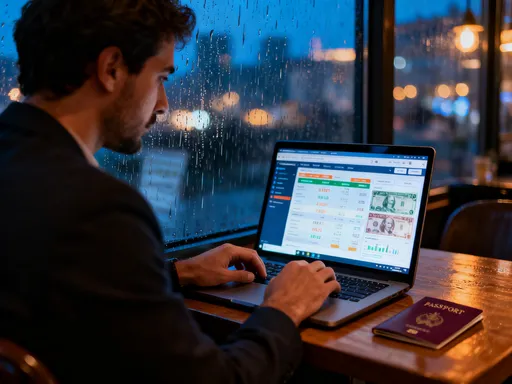
In recent years, digital neobanks have emerged as a powerful alternative to traditional banking. These online-only financial institutions offer multi-currency accounts, low-cost international transfers, and seamless integration with budgeting apps—all accessible through a smartphone. Unlike conventional banks, many neobanks do not charge monthly fees or require minimum deposits, making them ideal for those establishing themselves abroad. Features such as real-time currency conversion, instant notifications, and built-in expense categorization help users stay in control of their finances without visiting a physical branch. Some platforms even allow you to hold and manage funds in multiple currencies simultaneously, reducing the need for repeated conversions.
When evaluating financial tools, it’s important to consider your specific needs. If you plan to send money home regularly, look for services that offer low remittance fees and transparent exchange rates. If you’re focused on saving, prioritize accounts with competitive interest rates and easy access to emergency funds. For those managing income in multiple currencies, a financial platform with a multi-currency wallet can simplify budgeting and reduce conversion losses. Reading user reviews, comparing fee structures, and testing customer support responsiveness are practical ways to assess reliability before committing.
Real-world experience shows that switching from a traditional bank to a more suitable financial tool can save hundreds of dollars annually. One professional working in Germany reported cutting her international transfer costs by over 70% after switching to a digital bank that offered free euro-to-dollar conversions up to a certain limit. Another individual in Singapore reduced monthly banking fees from 25 USD to zero by using a neobank with no maintenance charges. These changes may seem minor, but over time, they contribute significantly to financial efficiency. The right financial tool doesn’t just manage money—it protects it.
Sending Money Home Without Losing It
For many overseas workers, sending money home is a top financial priority. Whether supporting family members or saving in a home-country account, remittances represent a significant portion of monthly expenses. Yet, traditional methods like wire transfers through major banks or cash-based services such as Western Union often come with high fees and poor exchange rates. These services may advertise speed and convenience, but their pricing models frequently include hidden markups that reduce the final amount received. A transfer of 1,000 USD might cost 40 USD in fees and lose another 30 USD in unfavorable exchange rates, meaning the recipient gets only 930 USD—despite the sender paying the full amount.
Modern fintech platforms have transformed the remittance landscape by offering transparent, low-cost alternatives. Services like Wise (formerly TransferWise), Revolut, and Remitly use the real mid-market exchange rate—the same rate seen on Google or Reuters—and charge a clear, upfront fee. This model eliminates the hidden spreads that traditional banks and money transfer operators rely on to generate profit. As a result, more of the transferred amount reaches its destination. These platforms also provide faster processing times, with many transfers completed within one business day, and some even offering same-day delivery for certain corridors.
Beyond cost and speed, security and customer support are critical factors when choosing a remittance service. Reputable fintech companies use bank-level encryption, two-factor authentication, and regulated holding accounts to protect user funds. They also offer responsive customer service through chat, email, or phone, which can be crucial when resolving transaction issues. In contrast, cash-based services often lack detailed tracking and provide limited recourse in case of errors. Digital platforms, on the other hand, offer full transaction histories, real-time updates, and the ability to cancel or correct transfers before they are processed.
To maximize efficiency, users should establish a routine for sending money. Setting up recurring transfers ensures consistency and reduces the temptation to delay payments due to fee concerns. Automating the process also helps maintain a stable financial support system for family members back home. Additionally, timing transfers during periods of favorable exchange rates can yield long-term savings. While predicting currency movements is risky, monitoring trends and using rate alerts available on many platforms can help users act when conditions are optimal. The goal is not to speculate, but to transfer funds wisely and consistently, preserving their value across borders.
Managing Taxes Across Borders: Don’t Get Caught Off Guard
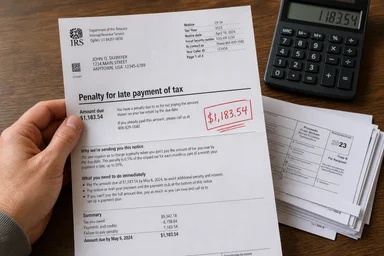
Tax obligations do not end when you move abroad—in fact, they often become more complex. Many expatriates assume they are no longer liable for taxes in their home country, only to discover later that they still have reporting requirements or even tax responsibilities. At the same time, earning income in a foreign country typically means paying taxes locally. Navigating this dual responsibility requires a clear understanding of both countries’ tax systems and any applicable tax treaties designed to prevent double taxation. Failing to comply can result in penalties, audits, or unexpected tax bills that erode savings.
The principle of tax residency is central to determining where you owe taxes. Most countries base residency on physical presence—spending more than 183 days in a year usually triggers local tax liability. Once classified as a tax resident, you may be required to declare worldwide income and pay taxes on earnings from all sources. Some nations, like Germany and Canada, have progressive tax systems where higher income results in higher rates, while others, such as the United Arab Emirates and Qatar, impose little or no personal income tax. Understanding these differences is essential for accurate tax planning.
Home-country tax rules vary widely. The United States, for example, taxes citizens on global income regardless of where they live, requiring annual filings even for those permanently based abroad. Other countries, like Australia and the United Kingdom, offer tax exemptions or foreign income allowances for residents living overseas. Tax treaties between nations help prevent double taxation by allowing credits or exemptions for taxes paid abroad. For instance, if you pay 20% income tax in Germany and your home country has a treaty with Germany, you may receive credit for those payments when filing back home, avoiding being taxed twice on the same income.
Given the complexity, seeking professional tax advice is often a wise investment. A qualified international tax advisor can help determine your residency status, identify applicable treaties, and ensure compliance with reporting requirements such as FBAR or FATCA for U.S. citizens. They can also assist with claiming foreign tax credits or deductions that reduce your overall liability. Maintaining organized records—pay stubs, bank statements, tax filings, and residency documents—is crucial for audits or inquiries. Early preparation not only prevents legal issues but also provides peace of mind, allowing you to focus on your career and life abroad without financial surprises.
Building an Emergency Fund in a Foreign Country
Life abroad is full of uncertainties—unexpected medical expenses, visa renewal fees, sudden travel needs, or job transitions can arise without warning. Without a financial safety net, these events can quickly turn into crises. Yet, many expatriates delay building an emergency fund, assuming they can rely on family support or return home if needed. While these options exist, they are not always immediate or reliable. Establishing a local emergency fund provides a buffer against unforeseen costs, ensuring stability during challenging times.
An effective emergency fund should be easily accessible, held in a stable currency, and separate from everyday spending accounts. Ideally, it should cover three to six months of essential living expenses, including rent, utilities, food, transportation, and insurance. Keeping this money in the local currency reduces exposure to exchange rate fluctuations and ensures liquidity when needed. For example, if you face a medical emergency in Japan, having yen in a local account allows immediate payment without waiting for international transfers or conversions.
The type of account used for emergency savings matters. High-yield savings accounts or short-term deposit accounts offer modest interest while maintaining accessibility. Some digital banks provide dedicated savings “pots” or sub-accounts that allow users to label and segregate funds for specific purposes. These tools make it easier to resist the temptation to dip into emergency money for non-urgent expenses. Automated transfers, even as small as 50 or 100 USD per month, can steadily grow the fund over time without straining the budget.
For those concerned about inflation eroding the value of cash savings, diversifying into low-risk instruments such as government bonds or money market funds may be an option. However, these should only be considered if liquidity is not compromised. The primary goal of an emergency fund is security, not growth. By prioritizing accessibility and stability, expatriates can protect themselves from financial shocks and maintain confidence in their overseas journey. Knowing that a safety net exists allows for greater peace of mind and resilience in an unpredictable environment.
Investing Smartly While Overseas: Start Small, Think Long-Term
Investing while living abroad may seem daunting, especially when navigating unfamiliar financial markets and regulations. Many expatriates delay investing, believing it requires expert knowledge, large capital, or permanent residency. However, long-term wealth building does not depend on complexity or high risk—it thrives on consistency, discipline, and access to the right tools. Even small, regular contributions can grow significantly over time thanks to compound interest, making early action one of the most powerful financial moves an overseas worker can make.
Accessible investment options include international exchange-traded funds (ETFs), robo-advisors, and home-country retirement accounts that accept foreign income. ETFs offer diversified exposure to global markets with low fees and minimal entry requirements. Robo-advisors like Betterment or Wealthfront use algorithms to create and manage portfolios based on your risk tolerance and goals, requiring little ongoing effort. Some countries also allow citizens to continue contributing to national pension or retirement schemes while working abroad, preserving benefits and tax advantages.
Assessing your risk tolerance is a critical first step. This involves evaluating how much volatility you can comfortably withstand without making emotional decisions during market downturns. A conservative investor might prefer bond funds or stable value accounts, while someone with a longer time horizon may allocate more to equities. The key is alignment—your portfolio should reflect your personal comfort level, not pressure from sales agents or social trends. Avoid high-commission products or “guaranteed return” schemes, which often carry hidden risks or liquidity constraints.
Consistency matters more than timing. Instead of trying to predict market highs and lows, focus on regular contributions through dollar-cost averaging—investing a fixed amount at set intervals regardless of market conditions. This approach reduces the impact of volatility and builds wealth gradually. Over ten or twenty years, even modest monthly investments can grow into substantial sums. The goal is not to get rich quickly, but to build a foundation for long-term financial security. By starting early and staying disciplined, overseas workers can turn their international experience into lasting prosperity.
Avoiding Scams and Financial Traps Targeting Expats
Expatriates are frequent targets of financial scams due to their unfamiliarity with local systems, limited social networks, and urgent need for housing, banking, or legal assistance. Common schemes include fake rental listings, fraudulent investment opportunities, predatory lending, and identity theft. Scammers often exploit language barriers, cultural differences, and the desire to settle in quickly. They may pose as landlords, recruiters, or financial advisors, using professional-looking websites and persuasive communication to gain trust. Recognizing the red flags can prevent devastating financial losses.
Rental fraud is one of the most prevalent threats. Scammers advertise attractive properties at below-market rates, request deposits or advance rent via untraceable methods like gift cards or cryptocurrency, and disappear before the victim arrives. To avoid this, always verify the landlord’s identity, request official documentation, and use secure payment channels. If possible, view the property in person or through a trusted local contact. Using reputable real estate platforms or seeking referrals from expat communities adds an extra layer of protection.
Investment scams often promise high returns with little risk, targeting individuals looking to grow their savings. These may include fake mutual funds, pyramid schemes disguised as legitimate businesses, or unregulated forex trading platforms. A reliable rule of thumb is that if an opportunity sounds too good to be true, it probably is. Always research the company, check regulatory registration, and consult official financial authorities before investing. Never rush into decisions under pressure—legitimate investments allow time for due diligence.
Financial literacy is the best defense against exploitation. Staying informed through official government websites, expat forums, and financial education resources builds confidence and awareness. Building relationships with trusted professionals—bankers, lawyers, tax advisors—creates a support network for verifying opportunities. Remaining skeptical, asking questions, and taking time to confirm details are simple habits that protect hard-earned money. By staying alert and informed, expatriates can navigate their financial journey abroad with greater safety and confidence.
Taking Control of Your Financial Journey Abroad
Working overseas is more than a career move—it’s a financial transformation that requires intention, education, and discipline. The journey begins with awareness: recognizing how fees, taxes, and currency dynamics impact your income. From there, choosing the right financial tools—digital banks, low-cost remittance services, and secure savings accounts—lays the foundation for stability. Managing taxes proactively, building an emergency fund, and starting small investments contribute to long-term security. Finally, staying vigilant against scams ensures that your efforts are not undone by preventable losses.
This path is not about achieving overnight wealth, but about making consistent, informed choices that protect and grow your earnings. Every decision—from how you convert currency to where you invest—shapes your financial future. By focusing on efficiency, protection, and steady progress, overseas workers can turn their international experience into a powerful asset. With the right mindset and tools, financial well-being abroad is not only possible, but within reach for anyone willing to take control from day one.