How I Cut Costs Investing in Luxury Watches Without Losing Value
Thinking about investing in luxury watches but worried about high entry costs? I’ve been there. As a beginner, I assumed you needed deep pockets to get started. But after testing different strategies—buying pre-owned, skipping trendy brands, and focusing on timeless models—I discovered ways to reduce costs without sacrificing long-term value. It’s not about luck; it’s about smart choices. Here’s how you can start building a valuable collection on a budget, avoid common pitfalls, and still stay in the game.
The Allure and Reality of Luxury Watch Investment
Luxury watches occupy a unique space in the world of personal finance and tangible assets. Unlike stocks or bonds, they are objects of beauty, craftsmanship, and heritage—items you can wear, enjoy, and pass down through generations. Yet beyond their aesthetic appeal, certain timepieces have demonstrated the ability to retain or even increase in value over time, making them a compelling alternative investment. For many, the idea of owning a Rolex, Patek Philippe, or Audemars Piguet feels like a distant dream, reserved for the wealthy or well-connected. But the reality is that strategic entry into the luxury watch market is more accessible than it appears, especially when approached with knowledge and discipline.
What drives a watch’s value isn’t just the brand name stamped on the dial. Several key factors determine whether a timepiece will appreciate or depreciate. Brand heritage plays a major role—brands with a long history of innovation, precision, and cultural significance tend to command stronger resale markets. Rarity is another critical component. Limited production runs, discontinued models, or watches with unique complications often become more desirable over time. The movement type also matters; mechanical movements, especially those manufactured in-house, are generally valued more highly than quartz or generic automatics. Finally, condition—both cosmetic and mechanical—is essential. A well-maintained watch with original parts and documentation will always outperform one that has been poorly serviced or modified.
Unfortunately, many newcomers enter the market chasing trends rather than fundamentals. They buy a flashy, limited-edition model because it’s popular on social media, only to find that its value drops sharply within a year. These watches are often overproduced for marketing impact rather than long-term collectibility. The key difference between a status symbol and a true investment piece lies in sustainability. Investment-grade watches have consistent demand across decades, not just months. They appeal to serious collectors, not just trend followers. By understanding these distinctions early, new investors can avoid costly mistakes and begin building a portfolio rooted in value, not vanity.
Why Cost Reduction Is Smarter Than Chasing Discounts
Saving money in the world of luxury watch investing isn’t about finding the lowest price—it’s about maximizing the value you receive for every dollar spent. Many beginners fall into the trap of equating low cost with high value, but this mindset can backfire. A deeply discounted watch from a lesser-known brand or a discontinued line with no collector following may seem like a bargain, but if it lacks demand, it will remain stagnant or lose value over time. True cost reduction isn’t about cutting corners; it’s about making smarter, more informed decisions that protect and grow your capital.
One of the most effective strategies is avoiding the “new premium.” When a luxury watch is purchased at retail, it immediately suffers depreciation—often between 20% and 30%—the moment it leaves the store. This means the first owner bears the brunt of the loss, while the second buyer gains instant equity. By entering the market through the pre-owned or authorized resale channel, investors bypass this initial drop and gain access to models that may already be sold out at retail. This approach allows for cost-effective entry without sacrificing authenticity or quality.
Another way to reduce costs is by resisting the allure of brand logos. While certain names carry prestige, not all models under those brands are equal in investment potential. Some watches are overpriced due to marketing hype rather than intrinsic value. For example, a heavily promoted limited edition may command a high price at launch, but if it lacks mechanical innovation or historical significance, its resale value may disappoint. In contrast, understated models with strong technical foundations—such as the Rolex Explorer or Omega Seamaster—are often overlooked at first but gain steady appreciation due to their reliability and timeless design.
Smart cost reduction also means being selective about timing and source. Buying from reputable dealers, auction houses, or certified pre-owned platforms ensures authenticity and often includes service history and warranty coverage. These safeguards reduce the risk of purchasing a damaged or counterfeit piece, which could lead to expensive repairs or total loss of investment. Ultimately, the goal is not to spend less, but to invest wisely—focusing on watches that offer the best balance of entry cost, long-term demand, and potential appreciation.
The Hidden Power of Pre-Owned and Vintage Markets
One of the most powerful yet underutilized tools for cost-conscious investors is the pre-owned and vintage watch market. This segment offers access to rare, discontinued, or highly sought-after models that are no longer available at retail. More importantly, it allows buyers to avoid the steep depreciation that occurs when a new watch is first sold. A luxury timepiece can lose a significant portion of its value the moment it is unwrapped from its box, simply because it is no longer “new.” By purchasing secondhand, investors effectively let someone else absorb that initial loss, gaining immediate value advantage.
The vintage market, in particular, holds unique opportunities. Watches from the 1960s, 70s, and 80s—especially from brands like Omega, Jaeger LeCoultre, and Heuer—often feature hand-finished movements, unique case designs, and historical significance that modern mass-produced models lack. These characteristics increase their desirability among collectors. For example, a vintage Omega Speedmaster from the 1970s, if in good condition and with original parts, can appreciate steadily due to its connection to space exploration history and limited availability. Similarly, a vintage Rolex Datejust with a rare dial variation can become a prized asset over time.
However, navigating the pre-owned market requires diligence. Not all secondhand watches are created equal. Buyers must verify authenticity, check service history, and ensure that the seller is reputable. Authorized resellers, auction houses like Christie’s or Sotheby’s, and trusted online platforms with verification processes provide greater security. Independent watchmakers can also authenticate movements and assess condition. While prices in the pre-owned market can vary widely, thorough research allows investors to find well-maintained pieces at 40% to 60% below retail value—without compromising on quality or legitimacy.
Another benefit of buying pre-owned is the ability to access models that are now impossible to obtain through official channels. Some watches, such as the Rolex Daytona “Paul Newman” or the Patek Philippe Nautilus in stainless steel, have waiting lists that stretch for years—if they are available at all. The secondary market bypasses these restrictions, allowing entry at a fair market price. For the informed buyer, this means opportunity: the chance to own a piece of horological history without paying a speculative premium.
Choosing Timeless Models Over Trendy Hype
In the world of luxury watches, trends come and go with the seasons. A model that dominates social media today may be forgotten in two years. Beginners who chase these fleeting trends often end up with depreciating assets—watches that were expensive to buy but difficult to sell. The antidote to this risk is a focus on timeless design. Certain models have demonstrated enduring appeal across generations, maintaining strong demand regardless of market fluctuations. These are the watches that form the foundation of serious collections and deliver reliable long-term returns.
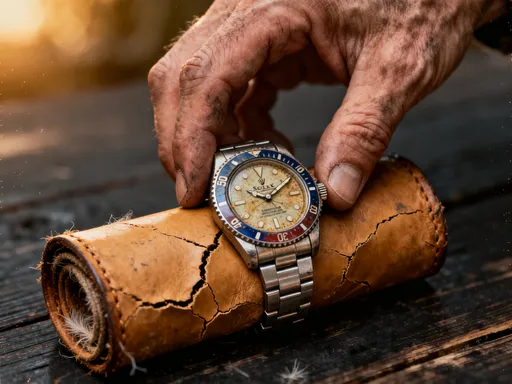
Take the Rolex Submariner, for example. Introduced in 1953, it has undergone minor updates over the decades but has never lost its core identity. Its simple, legible dial, robust construction, and association with exploration and adventure have made it a favorite among collectors and casual wearers alike. Similarly, the Omega Speedmaster, known as the “Moonwatch,” has remained a staple since its use in NASA missions. Its mechanical reliability and historical significance ensure continued relevance. The Audemars Piguet Royal Oak, designed by Gérald Genta in 1972, broke conventions with its octagonal bezel and integrated bracelet—yet it has become one of the most iconic luxury sports watches ever made.
These models share common traits: clean aesthetics, mechanical integrity, and cultural resonance. They are not defined by gimmicks or short-term marketing campaigns. Instead, they represent the pinnacle of design and engineering, which is why they retain value so effectively. While they may not generate the same viral excitement as a limited-edition collaboration or a celebrity-endorsed release, their stability makes them far more reliable as investments.
For new investors, learning to ignore the noise is crucial. Social media, influencer reviews, and brand promotions can create artificial demand for certain models, driving prices up temporarily. But once the hype fades, so does the value. In contrast, timeless watches appreciate gradually, supported by consistent collector interest and limited supply. By focusing on these proven performers, investors reduce risk and increase the likelihood of long-term gains. It’s not about avoiding new releases altogether, but about prioritizing substance over spectacle.
Smart Maintenance: Protecting Value Without Overspending
Acquiring a luxury watch is only the first step. Preserving its value requires ongoing care and thoughtful maintenance. A well-kept timepiece can last for decades, even centuries, but neglect or improper servicing can significantly reduce its worth. For cost-conscious investors, the challenge is to maintain the watch effectively without overspending on unnecessary services or unauthorized repairs that could damage authenticity.
Regular servicing is essential—most manufacturers recommend a full service every five to seven years, depending on usage and environmental exposure. This includes cleaning the movement, replacing worn parts, resealing gaskets, and adjusting accuracy. However, over-servicing can be just as harmful as under-servicing. Frequent disassembly increases the risk of damage, especially if done by unqualified technicians. The best approach is to stick to manufacturer-authorized service centers or highly reputable independent watchmakers with proven expertise in the brand. While these services may cost more upfront, they preserve the watch’s originality and resale value.
Owners can also take simple daily steps to protect their investment. Avoiding extreme temperatures, magnetic fields, and strong impacts helps maintain accuracy and prevents damage. Keeping the watch wound—either by wearing it regularly or using a watch winder—ensures the movement remains lubricated and functional. Storing it in a soft, padded case when not in use prevents scratches and dust accumulation. These habits require little effort but have a significant cumulative effect on long-term condition.
Documentation is another often-overlooked aspect of value preservation. Original boxes, warranty papers, instruction manuals, and service records all contribute to a watch’s provenance. A complete set can increase resale value by 10% to 20% compared to a watch sold without paperwork. For vintage pieces, historical documentation—such as old advertisements, ownership records, or service invoices—adds authenticity and story, making the watch more desirable to collectors. Maintaining a personal log of services and storage conditions can also be helpful when it comes time to sell.
Diversification Within the Niche: Spreading Risk Wisely
Even within the specialized world of luxury watch investing, putting all your capital into a single brand or model is a risky strategy. Market tastes shift, brands evolve, and unforeseen events can affect demand. Diversification does not mean buying ten different watches indiscriminately—it means building a balanced portfolio that includes entry-level, mid-tier, and aspirational pieces across different styles, brands, and price points. This approach reduces exposure to volatility and increases flexibility when managing your collection.
For example, pairing a Tudor Black Bay—a more affordable sibling to Rolex—with a vintage Omega Seamaster and a modern IWC Portugieser creates exposure to different market segments. Tudor offers strong value retention and growing collector interest. Vintage Omega models benefit from historical appeal and mechanical craftsmanship. IWC represents precision engineering and classic design. Each has its own risk and return profile, but together they form a resilient mix. If one segment slows, others may continue to perform well.
Diversification also allows for strategic rebalancing. As certain watches appreciate, investors can choose to sell and reinvest in new opportunities, locking in gains while maintaining exposure to growth. This cyclical approach helps compound returns over time. Beginners can start with one or two carefully selected pieces, then gradually expand as they gain experience and capital. The goal is not to own every desirable model, but to build a collection that reflects a thoughtful, long-term strategy.
Another benefit of diversification is emotional resilience. When all your investment is tied to a single watch, its performance can feel personal. If its value dips, it’s easy to panic and make impulsive decisions. A diversified portfolio spreads that emotional load, allowing for more rational, disciplined choices. It also provides more options when life circumstances change—whether you need liquidity, want to upgrade, or wish to pass pieces down to family members.
Knowing When to Buy, Hold, or Sell
Timing is one of the most challenging aspects of luxury watch investing. Unlike stocks, which trade continuously on public markets, the watch market operates through a mix of retail, private sales, auctions, and online platforms. Prices are less transparent, and emotional factors often influence decisions. Impulse buying during moments of excitement—such as a brand anniversary or celebrity sighting—can lead to overpaying. Conversely, fear of missing out (FOMO) or panic during market dips can result in poor timing. The key to success is developing a disciplined approach based on research, patience, and clear goals.
Buying should be strategic. Monitoring auction results from reputable houses, tracking price trends on platforms like Chrono24 or WatchCharts, and following collector forums can provide insights into fair market value. Announcements about new models, production changes, or brand collaborations can also signal shifts in demand. For instance, when Rolex discontinued the stainless steel Daytona, its value on the secondary market surged. Being aware of such developments allows investors to enter at favorable points.
Holding is equally important. Most luxury watches require time to appreciate—often five to ten years or more. Selling too early means missing out on the full benefit of compounding value. Patience allows market demand to catch up with supply, especially for limited or discontinued models. During the holding period, maintaining the watch properly and keeping records ensures it remains in optimal condition for resale.
Selling should be goal-driven, not emotion-driven. Whether it’s to realize gains, rebalance the portfolio, or fund a larger purchase, the decision to sell should be based on predefined criteria. Monitoring resale platforms and consulting with experts can help determine the right moment. For beginners, starting with a “test” investment—buying a watch, holding it for 12 to 18 months, and observing its value trajectory—can build confidence and inform future decisions. Success in this market is rarely about quick wins; it’s about consistency, discipline, and long-term vision.
Building Wealth One Watch at a Time
Luxury watch investing doesn’t require a six-figure income to begin—it requires insight, patience, and a commitment to value. By focusing on cost-effective strategies like buying pre-owned, selecting timeless models, and maintaining watches properly, beginners can enter the market with confidence and purpose. The goal is not to get rich quickly, but to build financial resilience through tangible, enduring assets. Each thoughtful purchase becomes a step toward long-term wealth, blending personal passion with practical wisdom. Over time, a single watch can evolve into a legacy—one that appreciates not just in monetary value, but in meaning and memory. With the right approach, anyone can turn appreciation for craftsmanship into a sustainable financial journey.